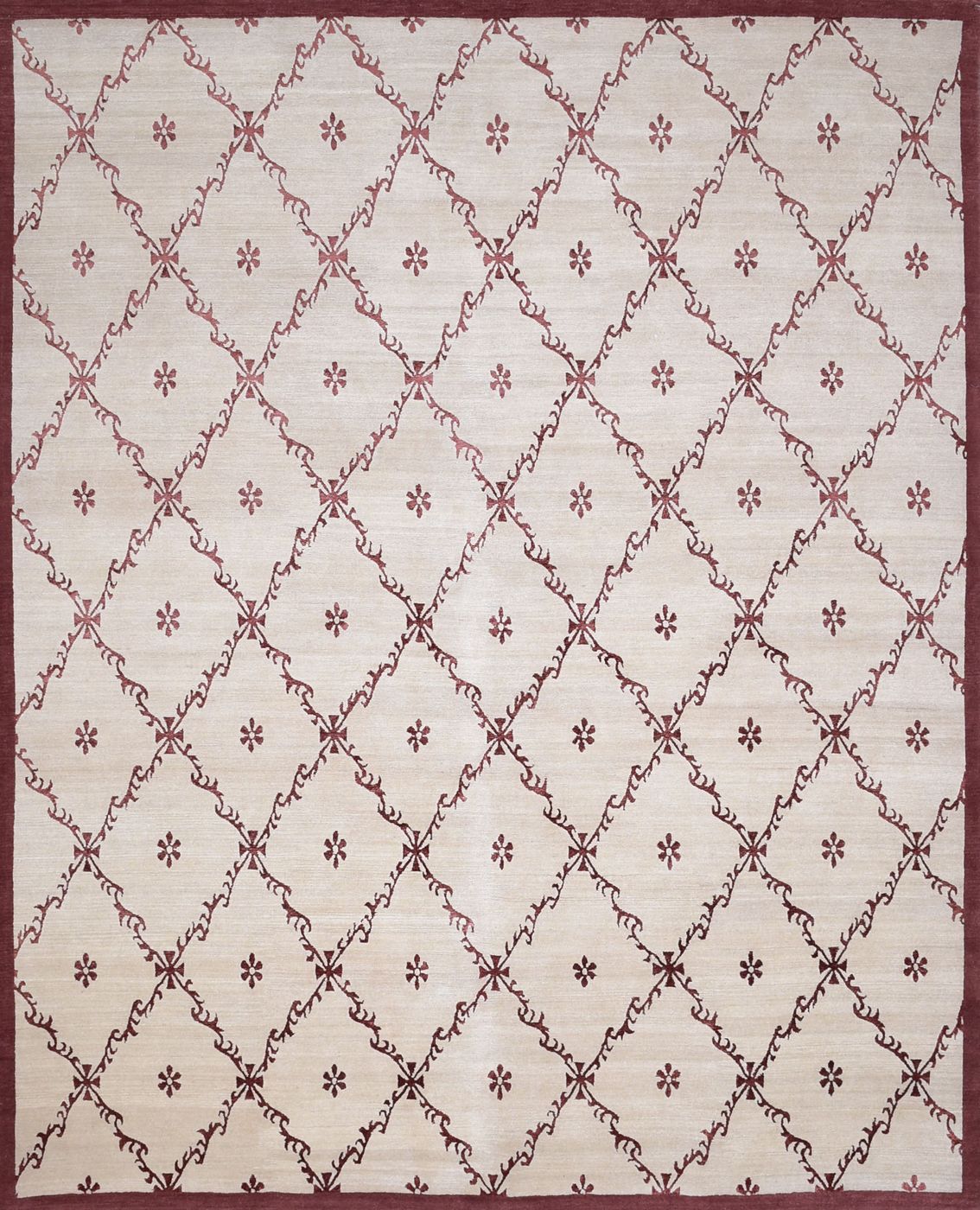
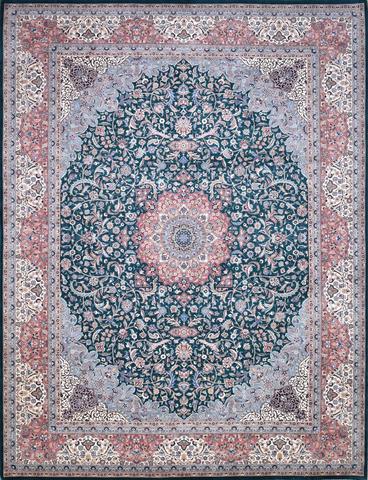
 One of oneView rug
Isfahan D.Green
No. 6435 · 9′3″ × 12′3″
Price on request
Enquire →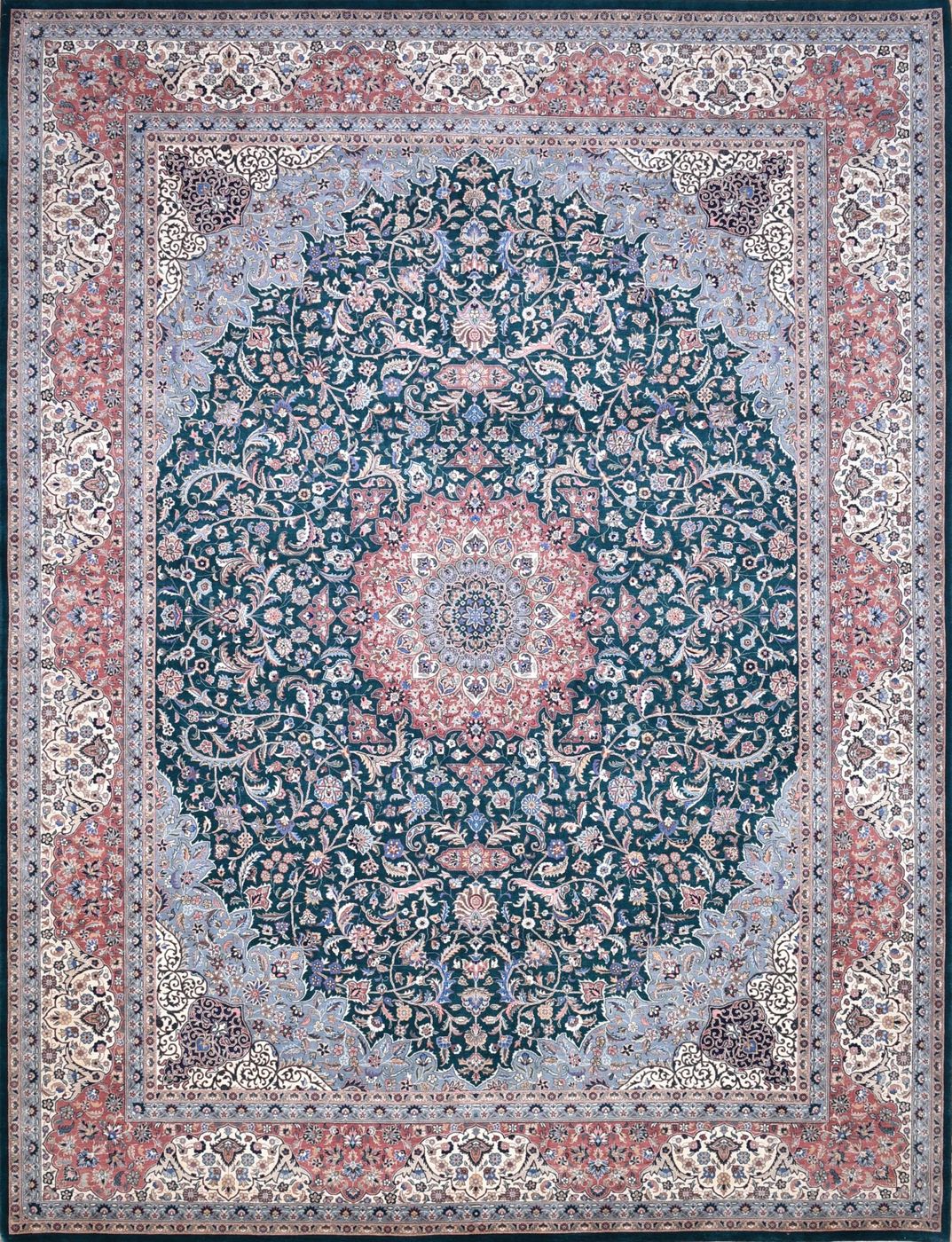
Buying guide · Materials
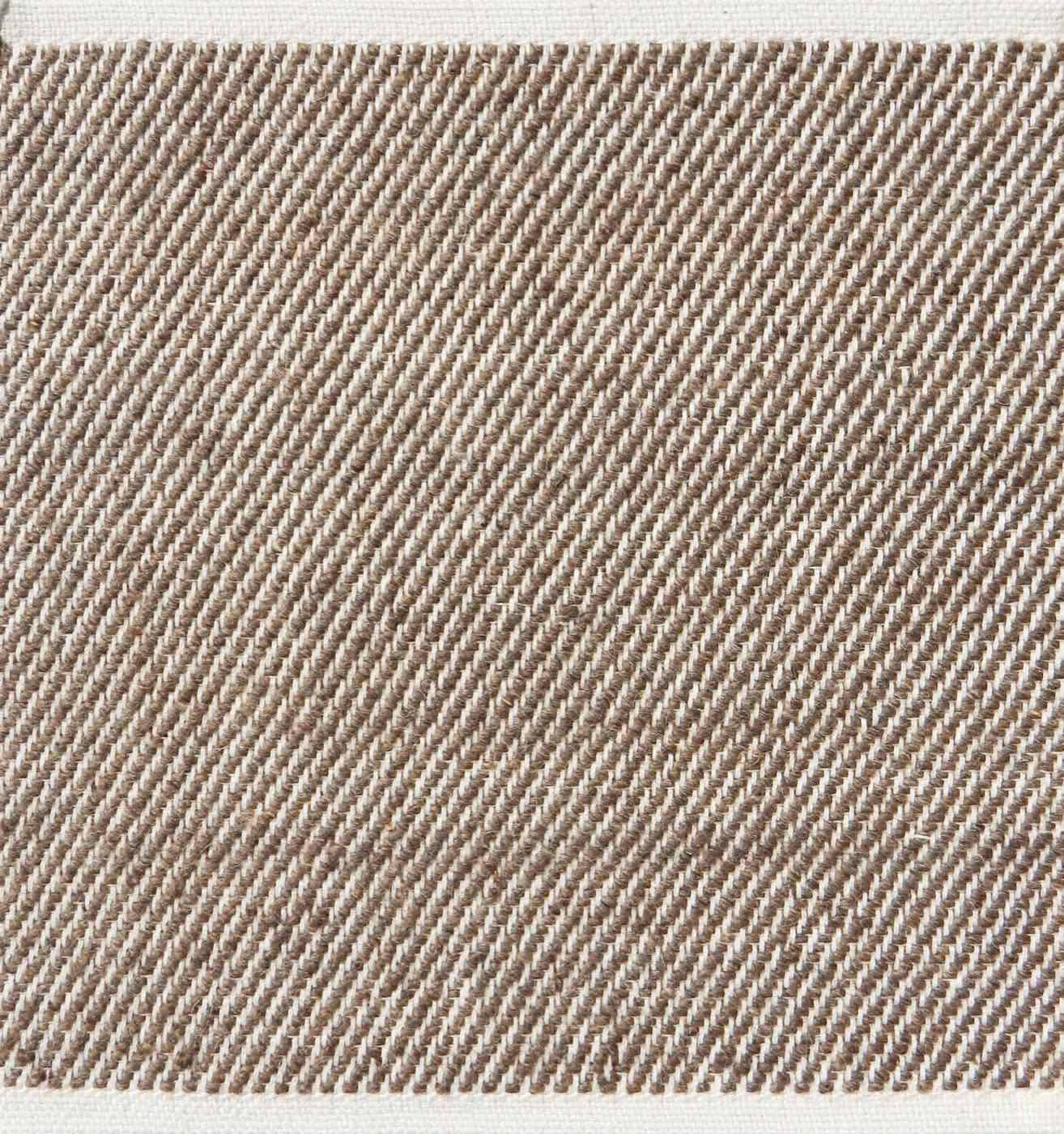
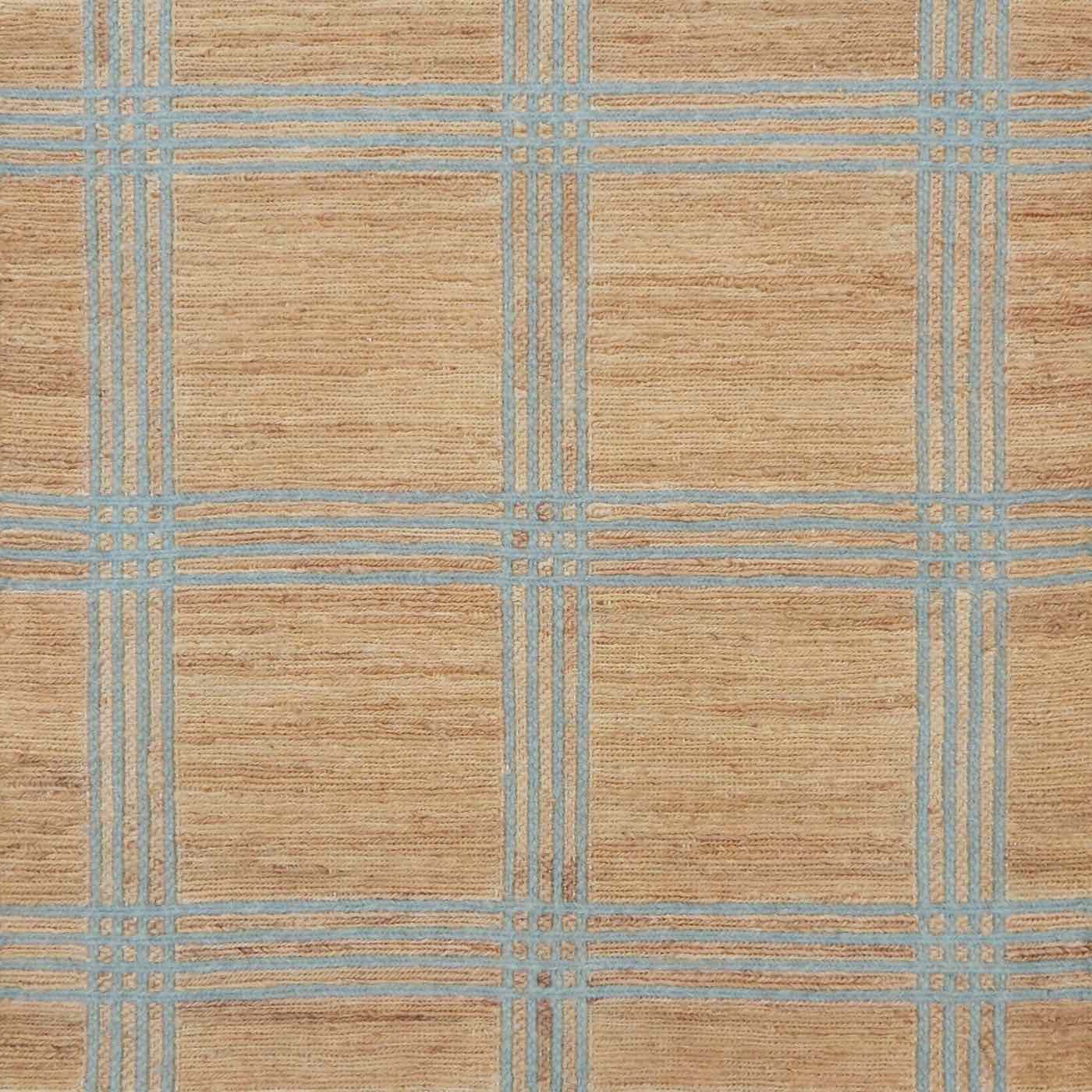
Wool is the fibre most handmade rugs are made of, and for good reason: it is hard-wearing, springs back underfoot, takes dye beautifully and forgives everyday life.
Each wool fibre is naturally crimped, so the pile springs back after it is walked on and holds its shape for decades. The fibre also carries lanolin, a natural oil that helps it shed dirt and resist spills long enough for you to blot them up.
Wool takes dye deeply and evenly, which is why the reds, blues and golds of a good wool rug stay rich. Over years of light and use those colours soften gently rather than wearing away.
Anywhere. Wool is the right choice for living rooms, dining rooms, hallways and stairs: the rooms that see the most feet. It is comfortable to sit on, warm, quiet underfoot and naturally slow to catch fire.
A new wool rug sheds a little loose fibre for its first months. That is normal and settles with vacuuming. Hand-spun wool varies slightly in thickness and takes dye a little unevenly, which gives handmade rugs the gentle shifts in colour, called abrash, that machine-made rugs lack.
Vacuum regularly, blot spills straight away, keep a pad underneath and have it professionally cleaned every two to three years.
On the floor now
One of oneView rugNo. 6435 · 9′3″ × 12′3″
Price on request
Enquire →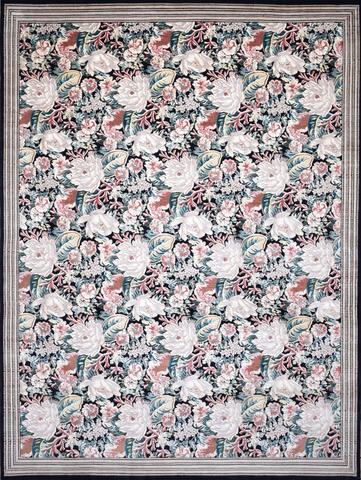 One of oneView rug
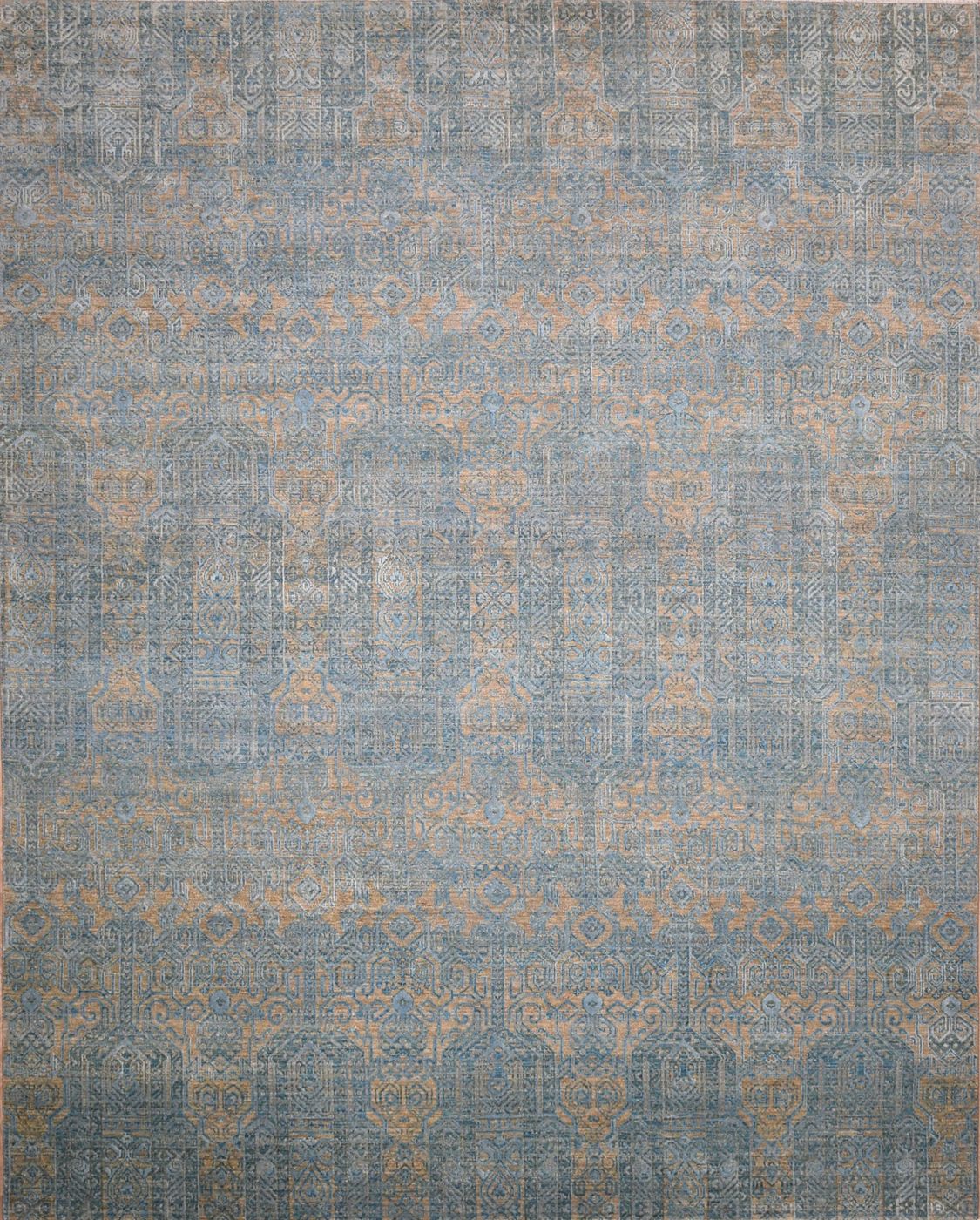
No. 7554 · 9′0″ × 12′1″
Price on request
Enquire →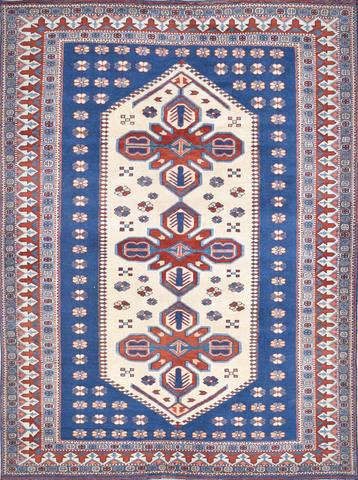 One of oneView rug
No. 7901 · 7′1″ × 9′2″
Price on request
Enquire →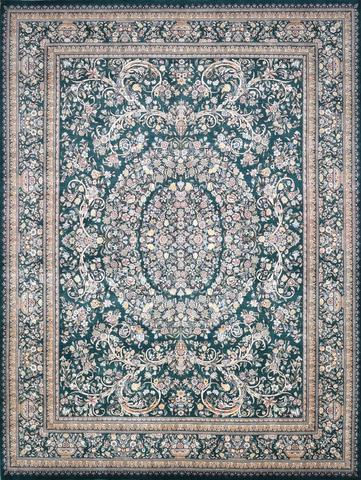 One of oneView rug
No. 8350 · 9′2″ × 12′1″
Price on request
Enquire →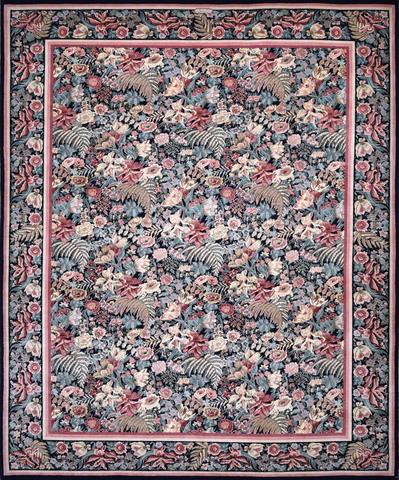 One of oneView rug
No. 8469 · 8′3″ × 9′10″
Price on request
Enquire →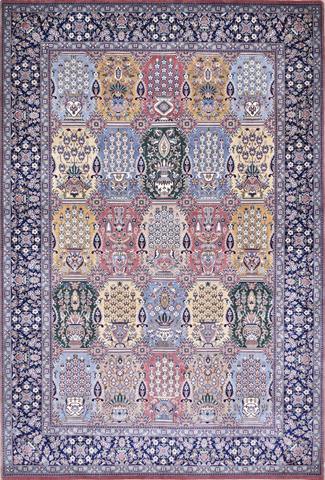 One of oneView rug
No. 9388 · 6′1″ × 9′1″
Price on request
Enquire →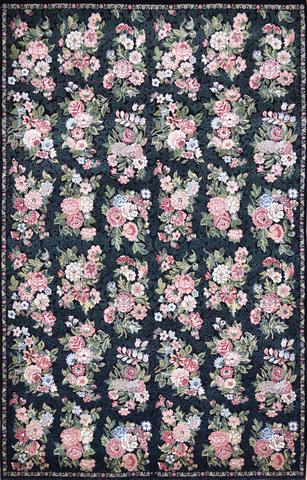 One of oneView rug
No. 9670 · 6′1″ × 9′6″
Price on request
Enquire →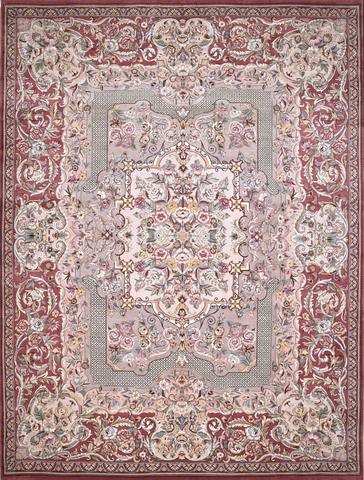 One of oneView rug
No. 9673 · 9′1″ × 12′1″
Price on request
Enquire →Questions
Yes. Wool is one of the most forgiving fibres there is: it resists stains, hides everyday wear and cleans well professionally.
Loose fibres left from weaving work their way out during the first months. Regular vacuuming clears them and the shedding stops.
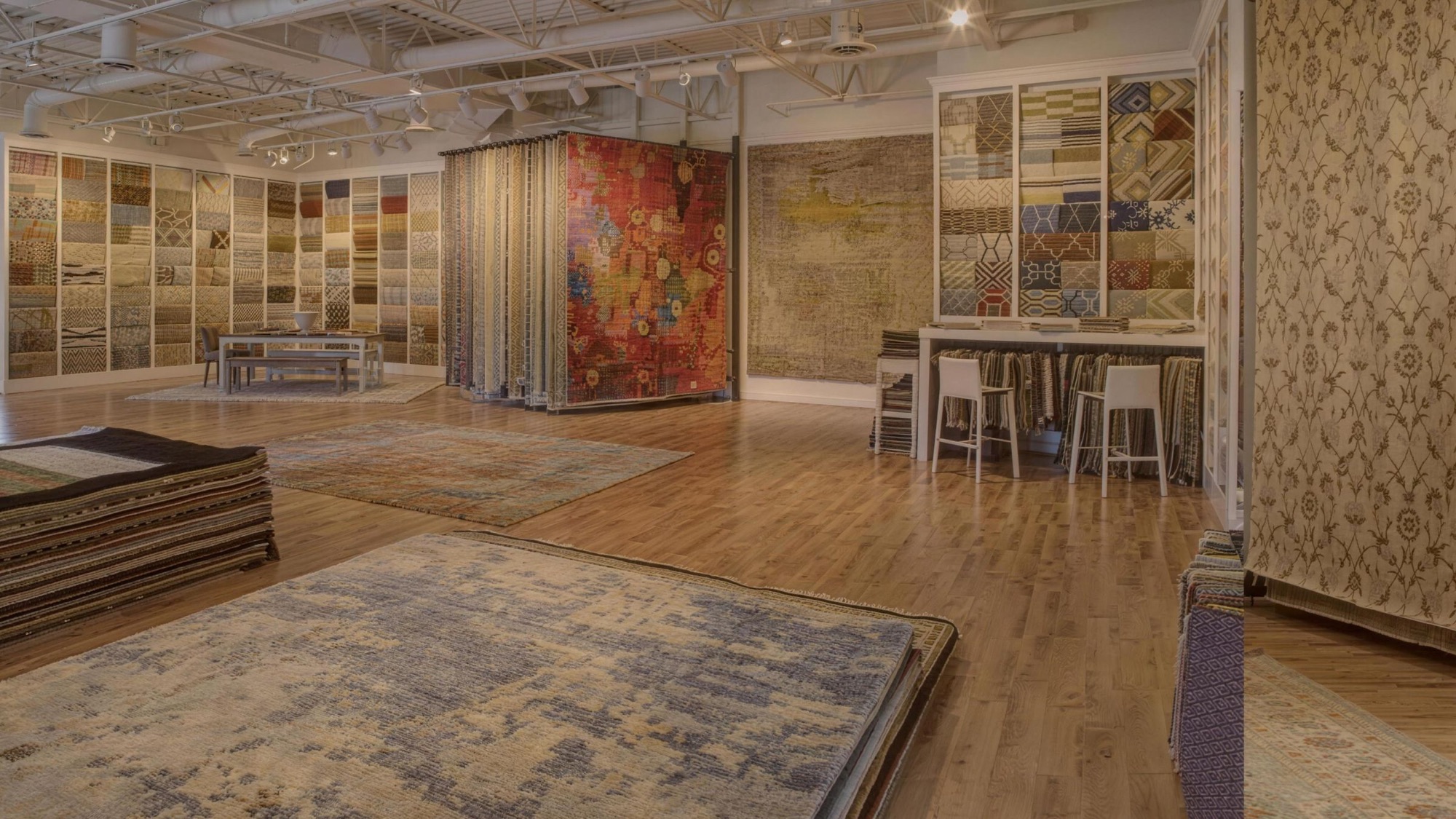
Timonium & Maple Lawn
Walk the floor, feel the pile, and take the one you love home on approval.
Opening hours & directions