 One of oneView rug
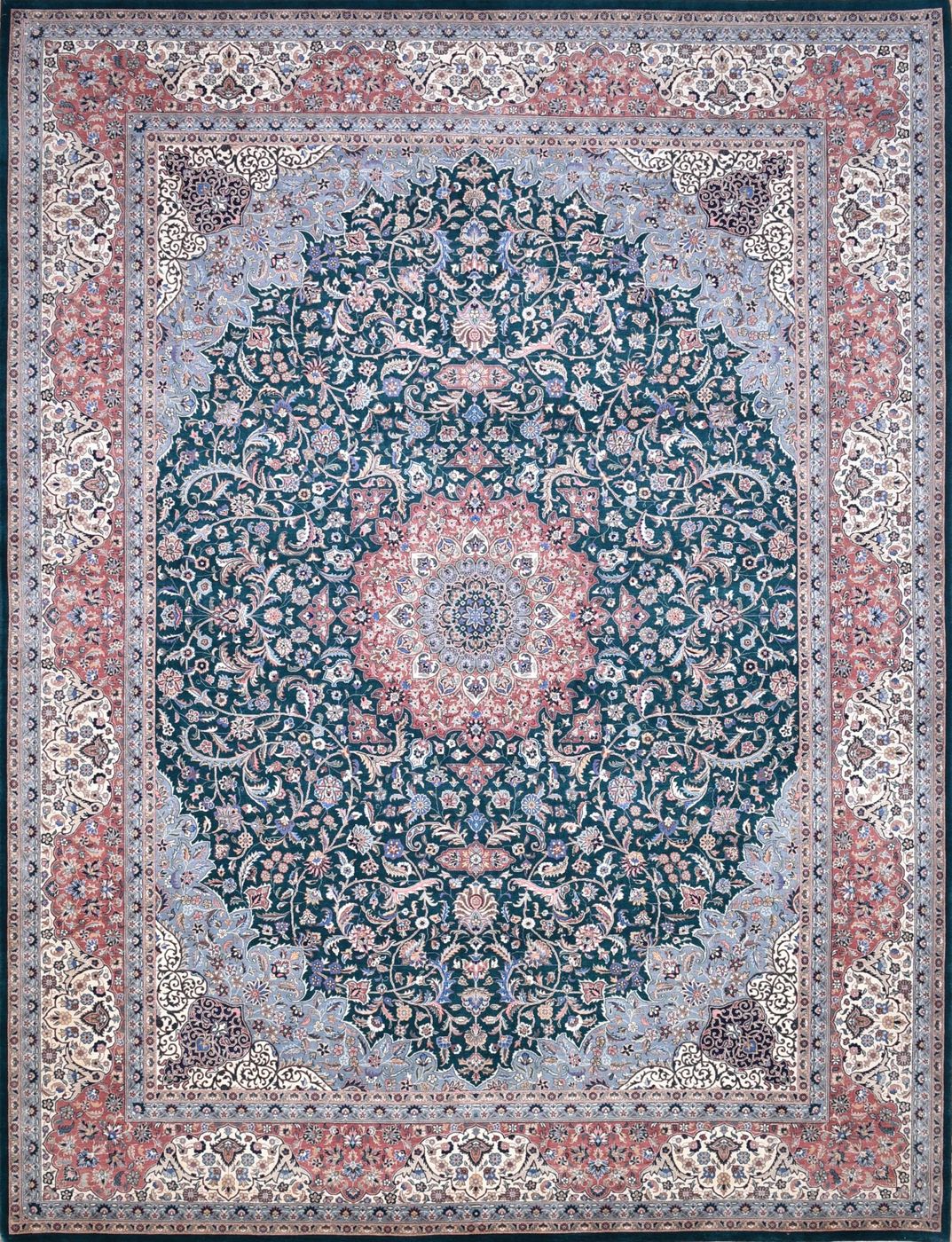
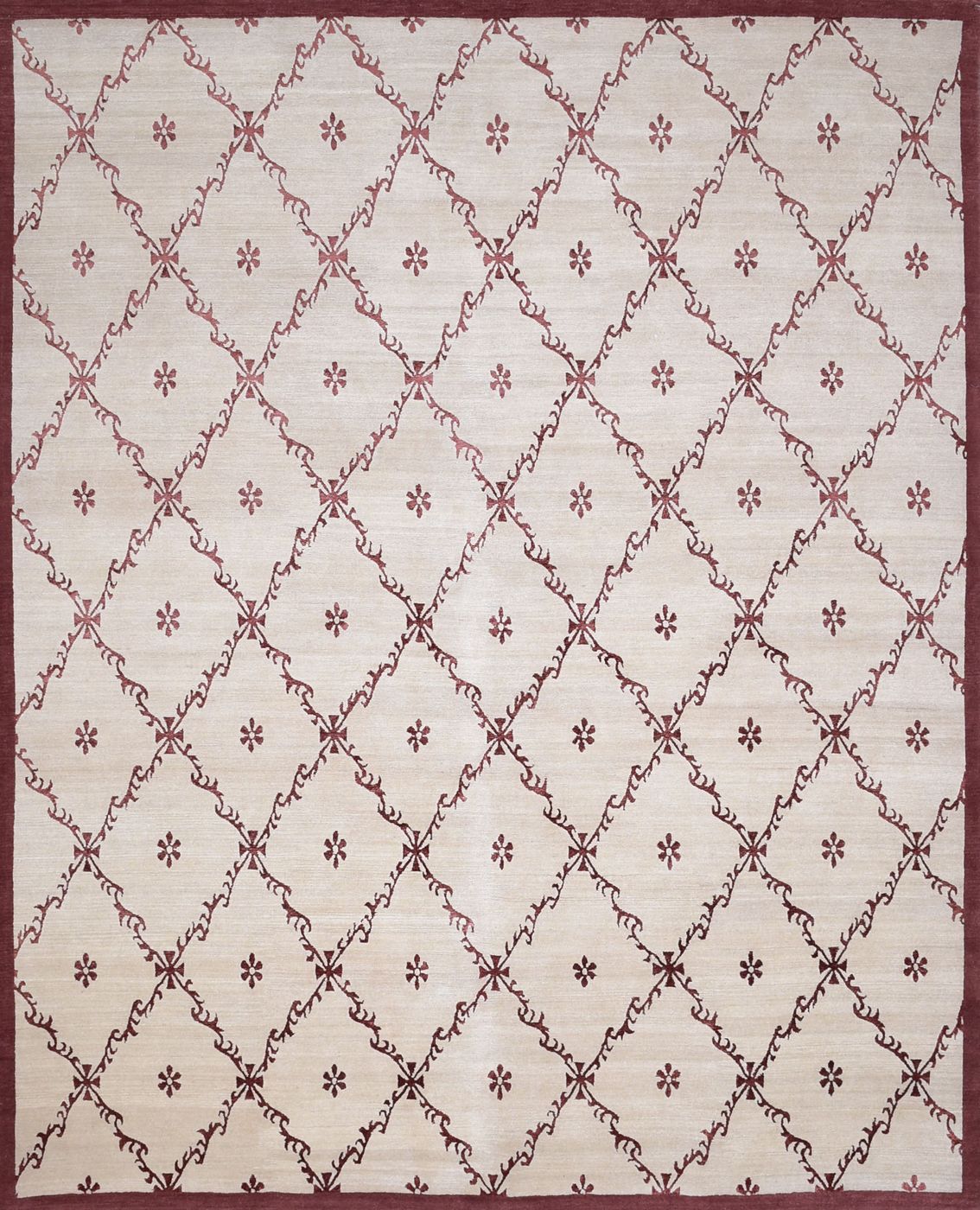
Samarkand SAM831 Cocoa/M.Blue
No. 26890 · 9′0″ × 12′0″
Price on request
Enquire →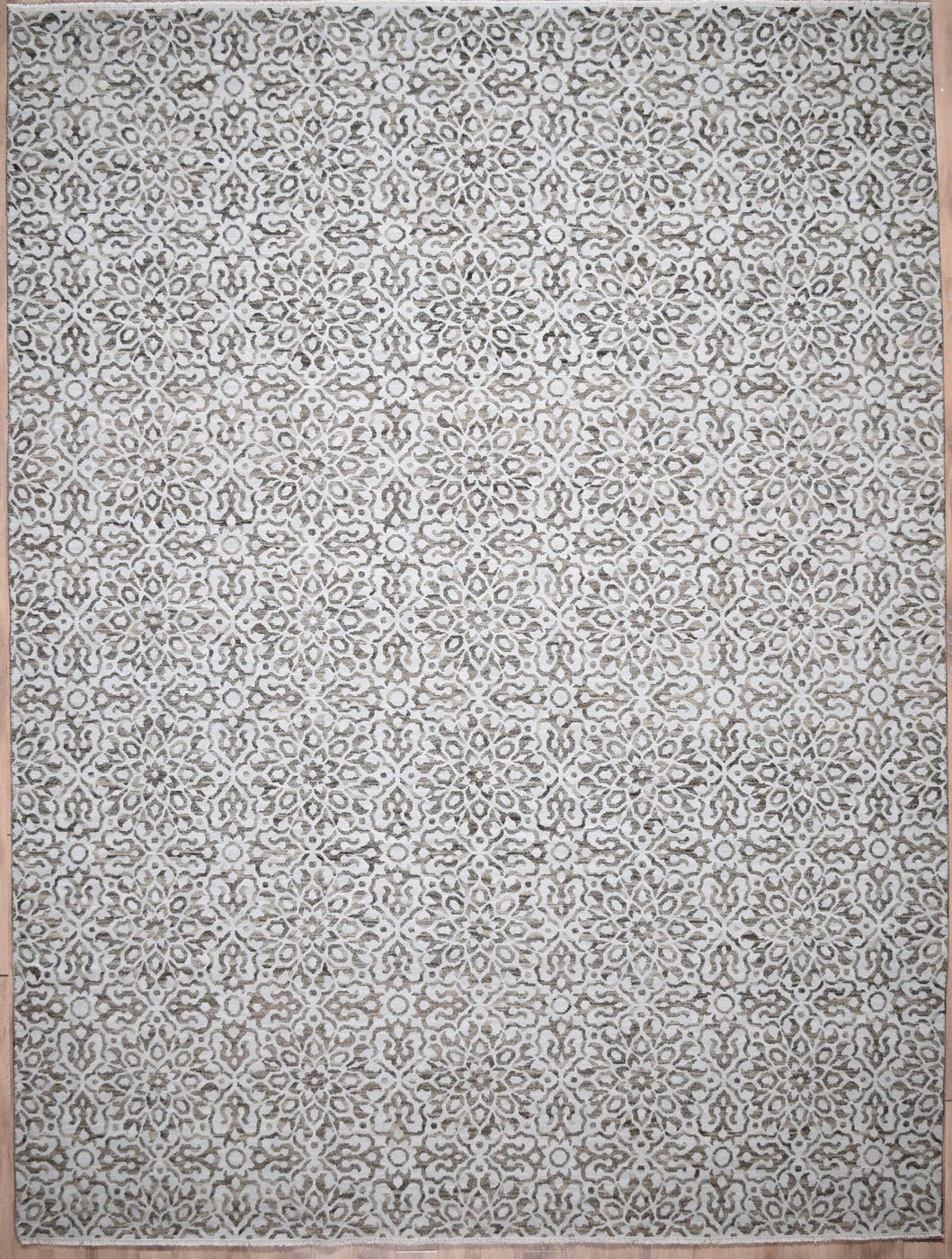
Buying guide · How rugs are made
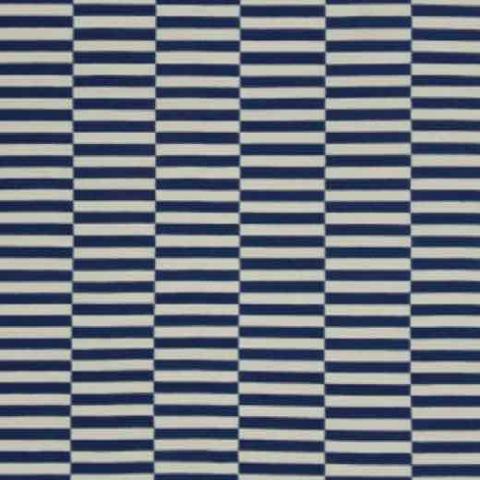
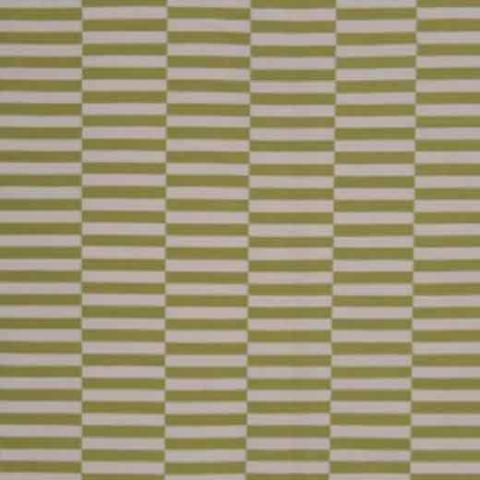
A flatweave has no pile at all. The pattern is woven straight into the structure of the rug, which makes it light, thin and easy to move.
Instead of tying knots, the weaver passes coloured weft threads over and under the warp threads, packing them down so they cover the warp completely. The colours and the order of the weave make the pattern. Because nothing stands up from the surface, a flatweave is thin, flexible and often reversible.
A kilim is a tapestry-woven flatweave, often with small slits where two colours meet, and usually wool. A dhurrie is the flatweave of India, frequently cotton or wool, and often in simpler, bolder patterns. Soumak wraps the weft around the warp for a slightly raised, braid-like surface, and is stronger and heavier than a kilim.
Kitchens, dining rooms where chairs slide in and out, hallways, sunrooms and layered under larger rugs. They suit casual and modern rooms as well as traditional ones. Keep a pad underneath: flatweaves are light and can slide.
On the floor now
In-stock rugs first. The rest are past rugs, shown as examples and no longer in stock.
One of oneView rugNo. 26890 · 9′0″ × 12′0″
Price on request
Enquire →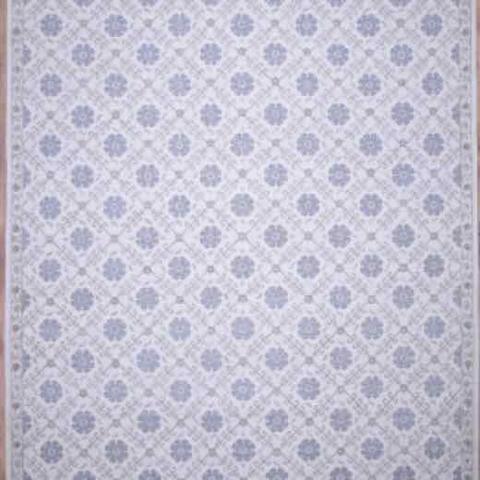
Questions
A well-made wool flatweave is very durable and easy to clean. With no pile, there is nothing to crush, though they are thinner and less cushioned underfoot.
Many flatweaves are reversible, which lets you spread the wear across both sides.
How rugs are made
Or go back to the full buying guide for sizes, quality and care.
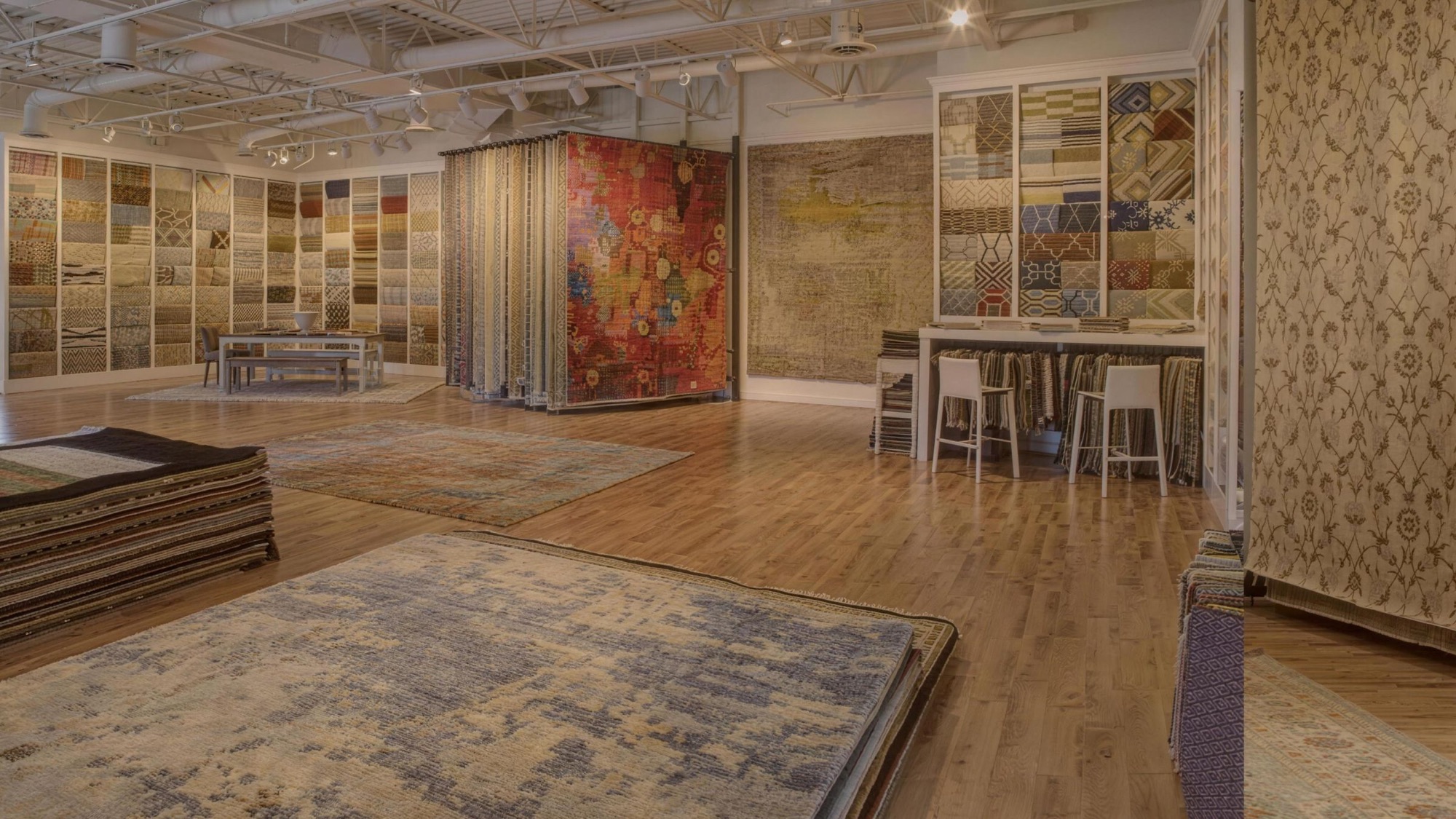
Timonium & Maple Lawn
Walk the floor, feel the pile, and take the one you love home on approval.
Opening hours & directions